

Anyloan Australia :: Articles

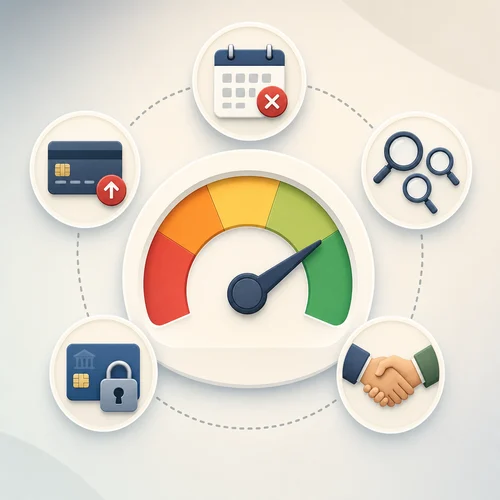
5 Credit Killers

What are the top factors that can damage your credit score?

5 Credit Killers

The information on this website is general in nature and does not take into account your objectives, financial situation, or needs. Consider seeking personal advice from a licensed adviser before acting on any information.

A good credit score speaks volumes about your financial habits. It's the evidence most creditors need to evaluate your credit worthiness.
Interestingly, there are some credit killers that even people maintaining good credit scores would unwittingly be a part of, which will be their undoing when applying for credit facilities in the future.
These mistakes may seem to be insignificant, but when the time comes, you may face more problems than you expect.

Avoiding Debt

Creditors need to evaluate your financial history to approve any credit facilities.
If you have no previous or existing debts, it might adversely affect your case, as creditors have no way of checking out how you'll handle the credit you get from them.

Shopping For Rates

Looking around for the best rate may actually turn out to be bad.
Too many inquiries within a short period could damage your credit score.
Usually, if you do more than 3 or 4 inquiries within a single month, you are likely to scare the lenders. For the same reasons, transferring the balances on your credit cards could be a bad idea as well.

Assuming There's a Grace Period

If you are late on a payment by even one day, you are late, period.
Never assume there's a grace period for late payments, because it only affects your credit score negatively.

Closing Old Accounts

Because your relevant transaction history also gets erased when you close your old accounts, your credit history is shortened and it may lower your credit score.
If you want to close your old accounts, close everything except the oldest account, which will leave a longer history.

Co-signing Loans

The obvious problem here is that the primary borrower's mistakes will end up on your credit report as well.

Boost Your Borrowing Power: A Guide to Loans, Repayments and Finance Options in Australia

Boost Your Borrowing Power: A Guide to Loans, Repayments and Finance Options in Australia image

Borrowing can feel complex, especially when loan options, interest rates, fees and eligibility requirements vary so widely. This plain-English guide helps Australian consumers, households, self-employed borrowers, sole traders and small business owners understand how borrowing power is assessed and what may influence loan outcomes. Inside, readers will explore personal loans, business loans, home loans, vehicle finance, equipment leasing and debt consolidation, along with practical guidance on repayment planning, comparison rates, credit checks, documentation and loan calculators. With checklists, examples and common questions, it is designed to support more confident research before applying for finance.

Published: Sunday, 1st Aug 2021
Author: Paige Estritori

Rate this article

0 Comments

No comments yet. Be the first to share your thoughts.


Finance Articles

Debt Consolidation Loans: A Tool for Smarter Repayment Planning
Debt consolidation loans serve a crucial purpose in the financial toolbelt of individuals juggling multiple debts. At its core, consolidation is the process of combining several loans or liabilities into one single loan. This technique is not just a clerical convenience but a strategic move that can transform repayment chaos into manageable order. By merging debts, borrowers can often secure better interest rates, lower monthly payments, and a more transparent repayment timeline. - read more
Comparing Loan Options in Australia: The Role of Loan Calculators
Loan calculators are powerful tools that assist borrowers in estimating their potential loan payments. By inputting variables such as loan amount, interest rate, and loan term, these calculators provide insight into what one's monthly repayments might look like. This can be invaluable for budgeting and financial planning purposes. - read more
Business Loan Security and Personal Guarantees Explained
Business loan security, collateral and personal guarantees can affect how lenders assess risk, what documents they request and what may happen if repayments are not met. This guide explains the key concepts for Australian small business borrowers. - read more
How Much Can You Borrow? A Complete Guide to Assessing Your Borrowing Power
Understanding your borrowing power is an essential step for anyone looking to take out a loan. This concept represents the amount of money you're eligible to borrow from a lender, whether it’s for purchasing a home, a car, or investing in your future. Knowing your borrowing power not only sets realistic expectations but also guides you in financial planning and budgeting for your loan repayments. - read more
Smart Saving for Big Purchases: Training Your Dollars to Work Harder
With the rising costs of living and the all-too-familiar financial hurdles, saving for large purchases can seem like a daunting task for many Australians. From buying a new car to securing the deposit on a home, significant expenses require a level of financial commitment and foresight that goes beyond everyday spending. - read more

Finance News

Private credit is growing, but regulators want more transparency
18 Nov 2026: Paige Estritori
Private credit has become a more visible part of Australia’s finance landscape, and recent regulatory updates suggest borrowers, investors and advisers should treat it as a market that still needs close scrutiny. ASIC’s 10 November 2026 surveillance report and APRA’s 12 November 2026 System Risk Outlook both point to the same broad message: private credit can provide useful funding channels, but complexity, disclosure gaps and changing market conditions can make the risks harder to see. - read more
Personal loan rates still demand more than a quick glance
11 Nov 2026: Paige Estritori
New November personal loan data is a reminder that Australian borrowers are not shopping in a single-rate market. Canstar’s latest update, published on 11 November 2026 using database figures from 6 November, shows some advertised rates remain below 6% per annum, while unsecured personal loan rates can extend to more than 29% depending on lender, product type and borrower profile. - read more
Latest RBA Increase Resets the Numbers for Borrowers
04 Nov 2026: Paige Estritori
The Reserve Bank of Australia’s 3 November 2026 decision to lift the cash rate target by 25 basis points to 4.85% gives Australian borrowers a fresh reason to revisit their repayment assumptions. The move, effective from 4 November, follows updated RBA forecasts showing inflation staying higher for longer, with the central bank pointing to fuel costs, broader price pressures and tighter domestic capacity as reasons for further restraint. - read more
ASIC Review Highlights the Need to Question Costlier Loan Recommendations
28 Oct 2026: Paige Estritori
ASIC’s 13 October 2026 review of major mortgage broker groups has delivered a timely reminder for borrowers: a loan recommendation should be understandable, evidence-based and clearly connected to the customer’s needs. The regulator found that broker practices generally aligned with its guidance, but also identified gaps in how some higher-cost loan recommendations, supervision processes and complaints were handled. - read more
Borrowers Remain Resilient, but the RBA Is Watching the Edges
24 Oct 2026: Paige Estritori
The Reserve Bank of Australia’s October 2026 Financial Stability Review gives borrowers a mixed but useful message: the financial system remains broadly resilient, yet cost pressures, hardship requests and sector-specific business stress are still important warning signs for households and SMEs planning their next finance decision. - read more

Knowledgebase
Loan-to-Value Ratio (LTV):
A ratio that compares the value of the loan to the market value of the property securing the loan.


Quick Links: | Personal And Business Loans Australia | Business Loan Options | Personal Loans Australia | Leasing Finance Solutions | Finance Brokers Australia | Unsecured Business Loans | Vehicle And Equipment Finance | Compare Finance Quotes | Quick Loan Approval | Low Interest Loans | Flexible Loan Terms